Notes from building.
Practical observations from our product and R&D work—what failed, what changed, and what held up. These are working notes, not claims of finished research.
Product engineering
Lessons from voice agents, live runtimes, safety boundaries, and product handoff.
Engineering
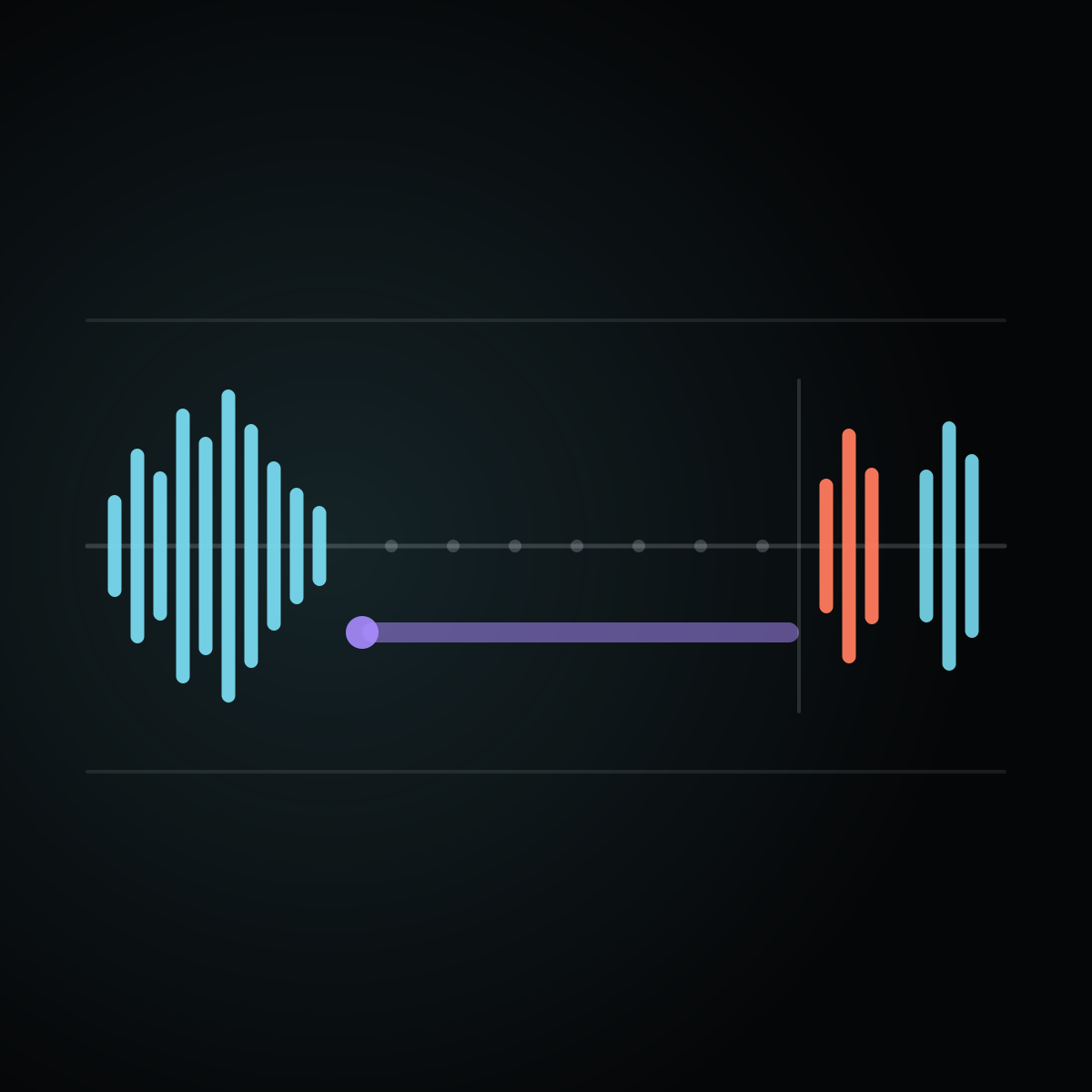
Voice is a command surface, not a companion: what always-on gets wrong about coding agents
Full-duplex voice closed a conversational gap measured in milliseconds; long-running coding agents fail in a gap measured in minutes — which is why an always-on microphone is the wrong default for work that runs for four.

Engineering
Every guard needs an exit: liveness in agent guardrails
A guard that is perfectly safe can be fatally un-live: ours refused the same call nineteen times in a row, each refusal correct, and manufactured the exact failure it was built to prevent.
Engineering
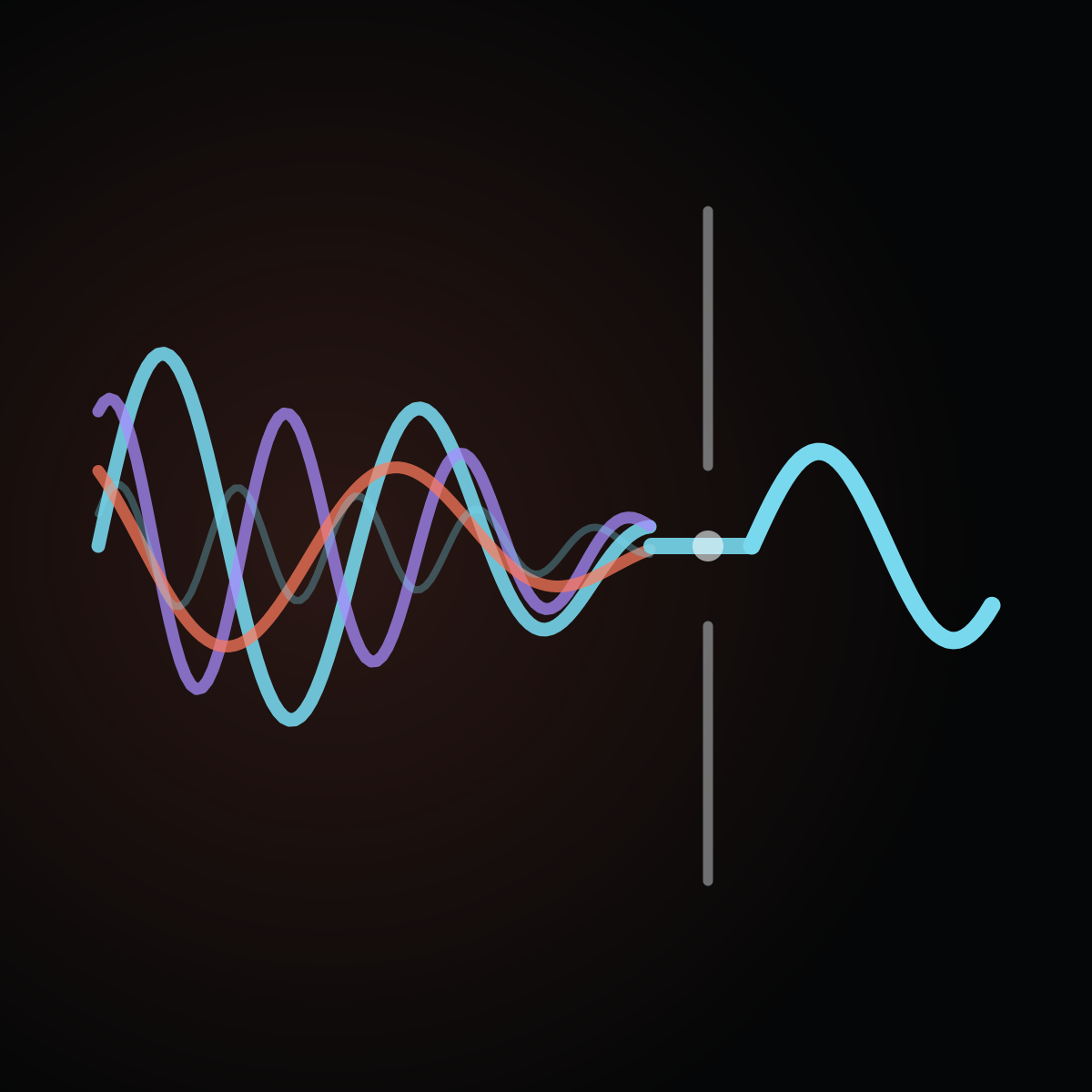
Why your voice agent talks over itself
Over-talking is not a prompting failure — it is a concurrency problem wearing a UX costume, and no instruction to be more concise can fix a race for a single speaking channel.
Engineering
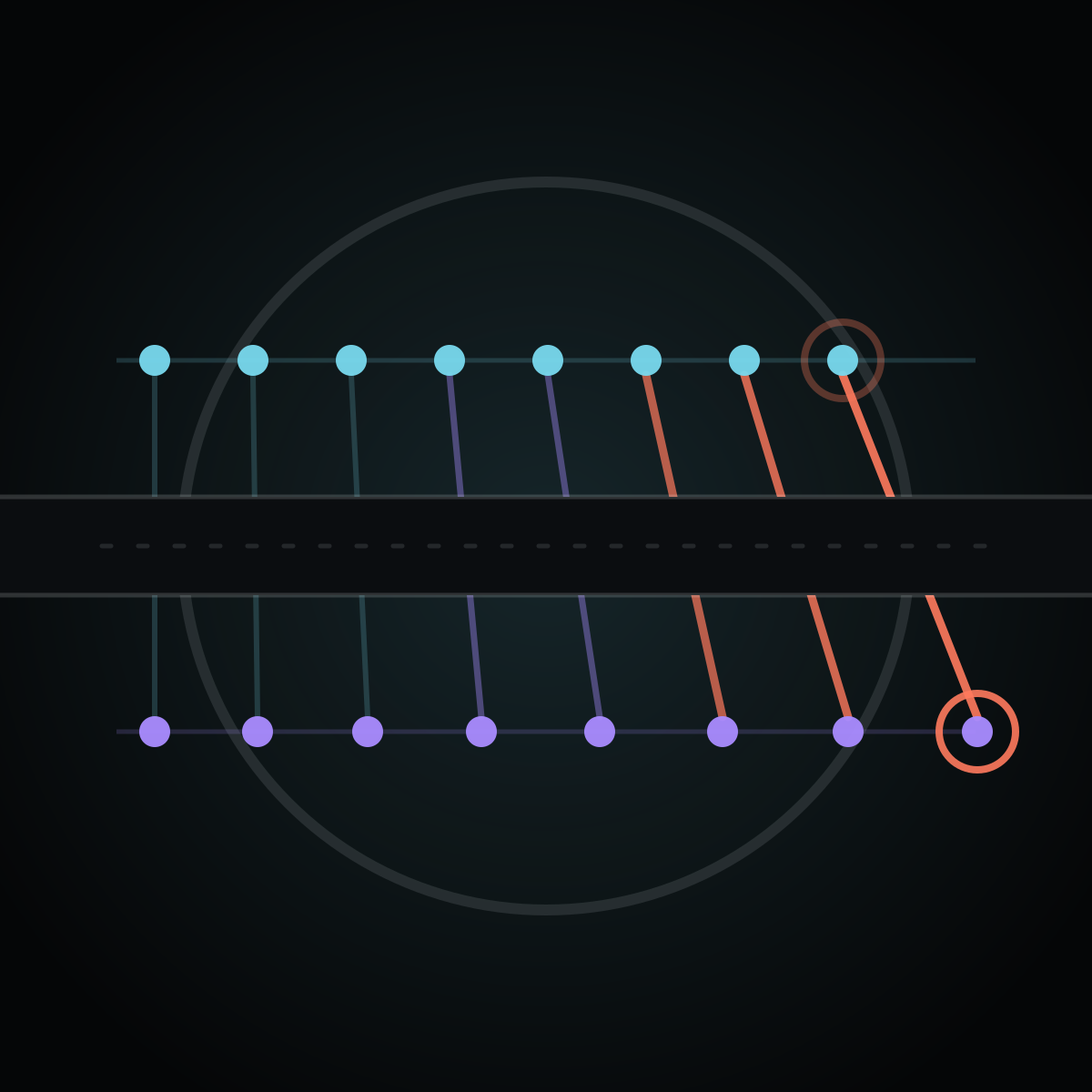
The agent is blind: grounding a spoken agent to a live canvas
The most recurring failure in our voice workstations was never a wording problem — an agent that co-drives a screen it cannot see will drift from it unless the pixels and the words are published by the same machine.
R&D notes and experiments
Exploratory work that informs our thinking without implying it ships inside every product.
R&D note
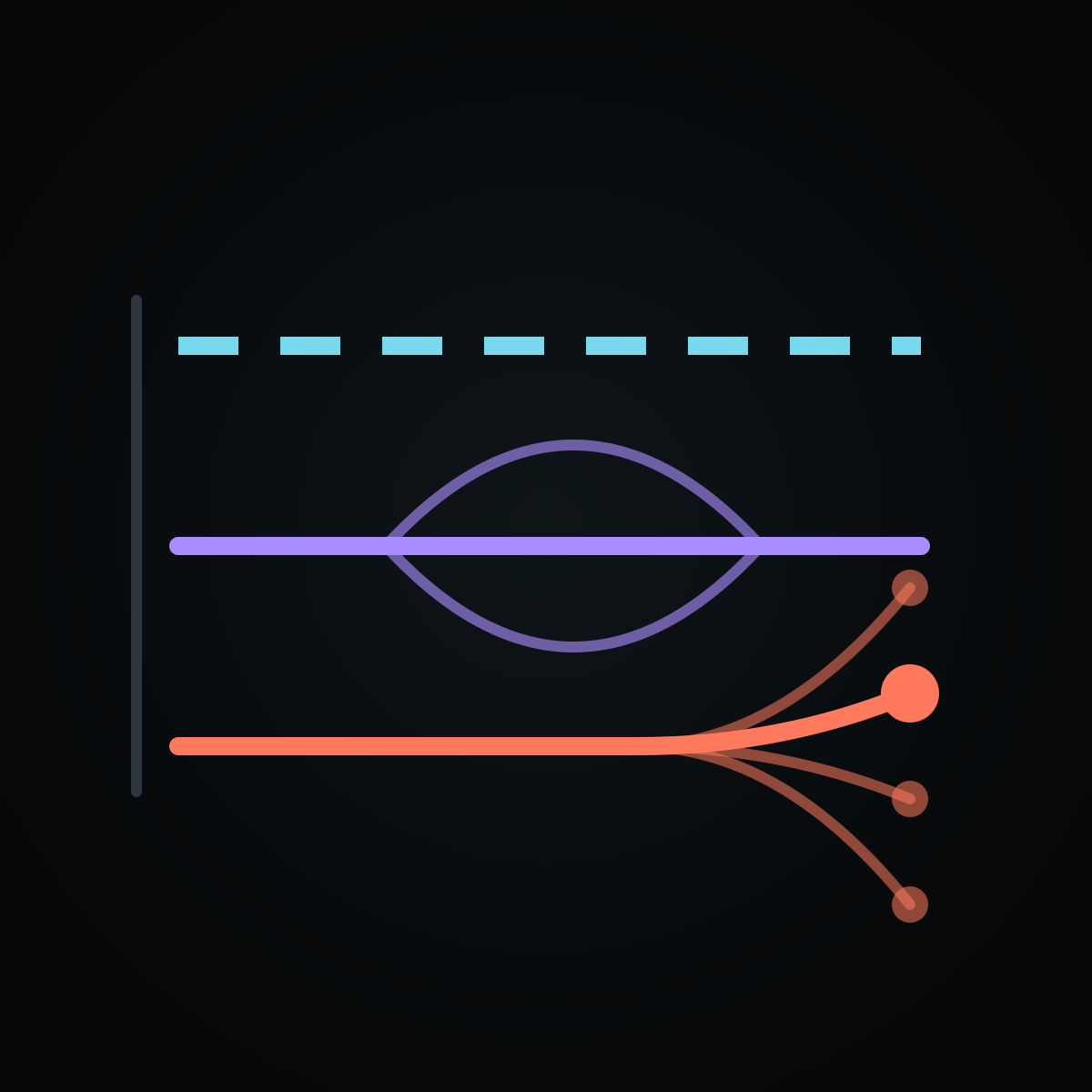
Three roads to reasoning in language models
Reasoning reaches a language model by three different routes; the industry converged on two of them, and the third still earns its keep wherever a machine can check the answer.
Project note
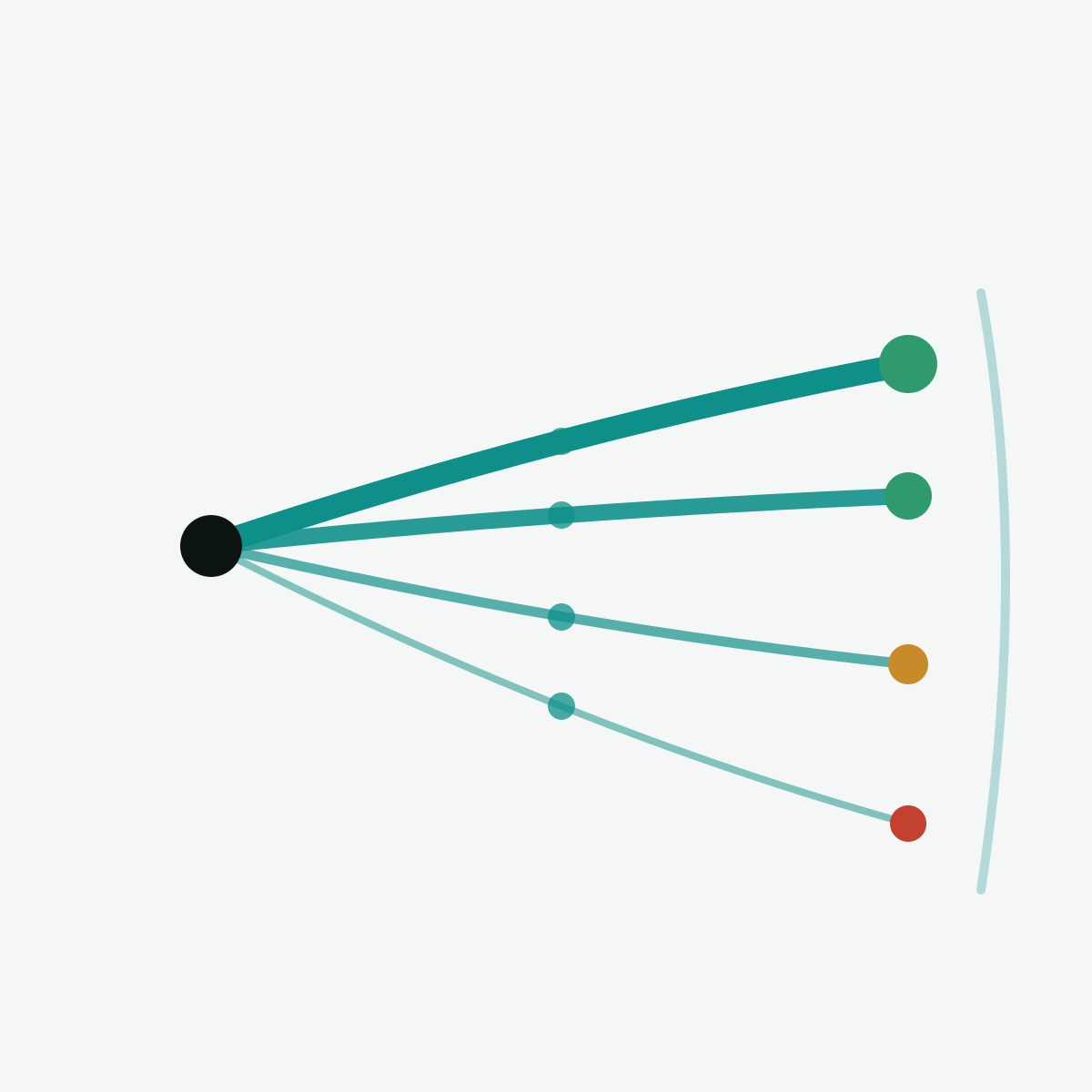
The risk is one move ahead of the words
Forecasting where a conversation could go catches intent that the visible turn hides — but only if the look-ahead is probability-weighted: worst-branch aggregation flagged 87.5% of authorized defensive work, expected-peak flagged 37.5%, all of it soft.
Project note
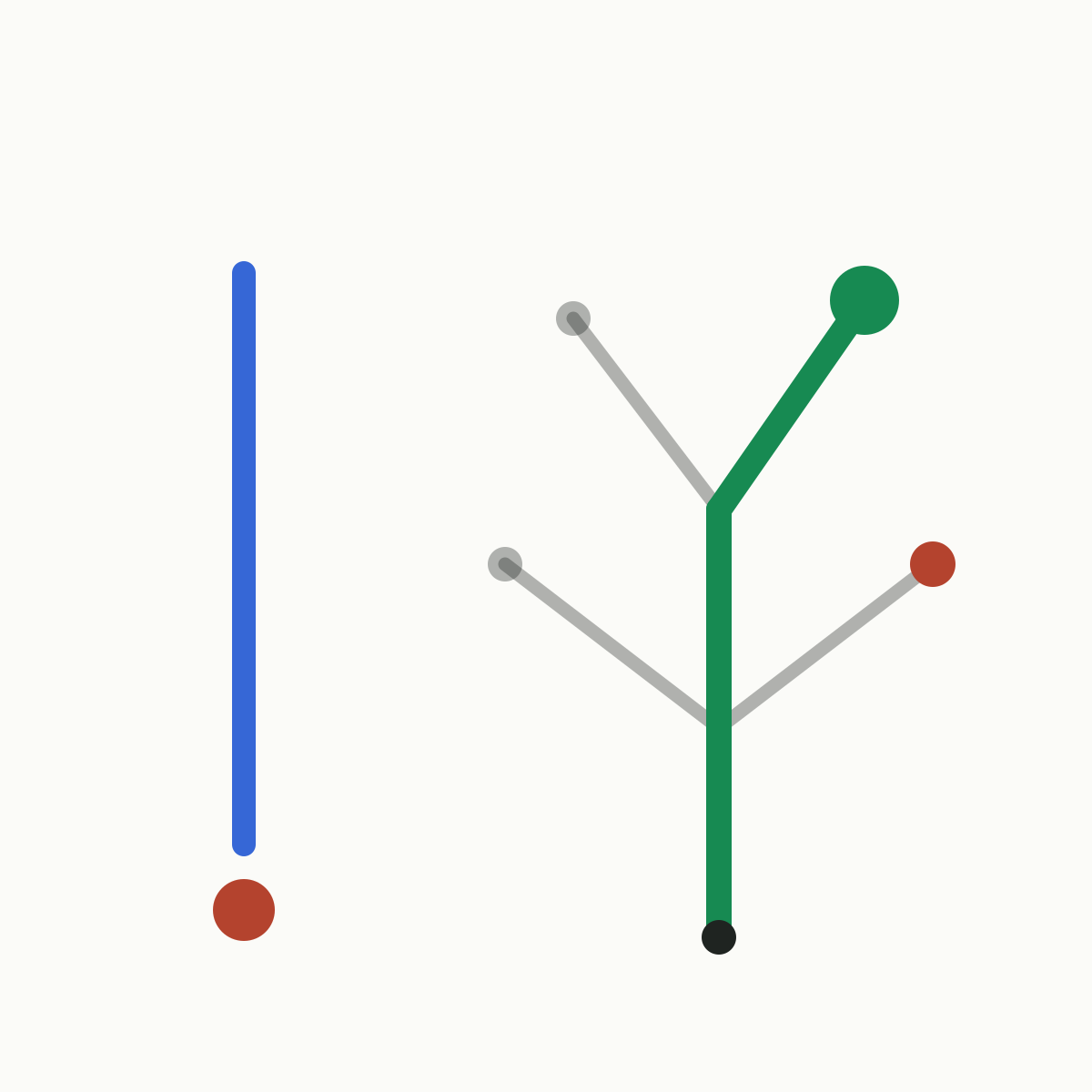
Why give a language model a tree?
On a frozen rated chess holdout, a bounded executable search around a fast model turned 1 correct answer out of 25 into 21 — and on AIME with tools, the same controller made things worse.
R&D note
The dataset is the asset
In conversation-safety tooling the durable artifact is not the classifier — it's the dataset contract: a sanitized risk taxonomy, benign hard-negatives curated as carefully as the risky cases, and an evaluation designed to embarrass you.
Subscribe with RSS.